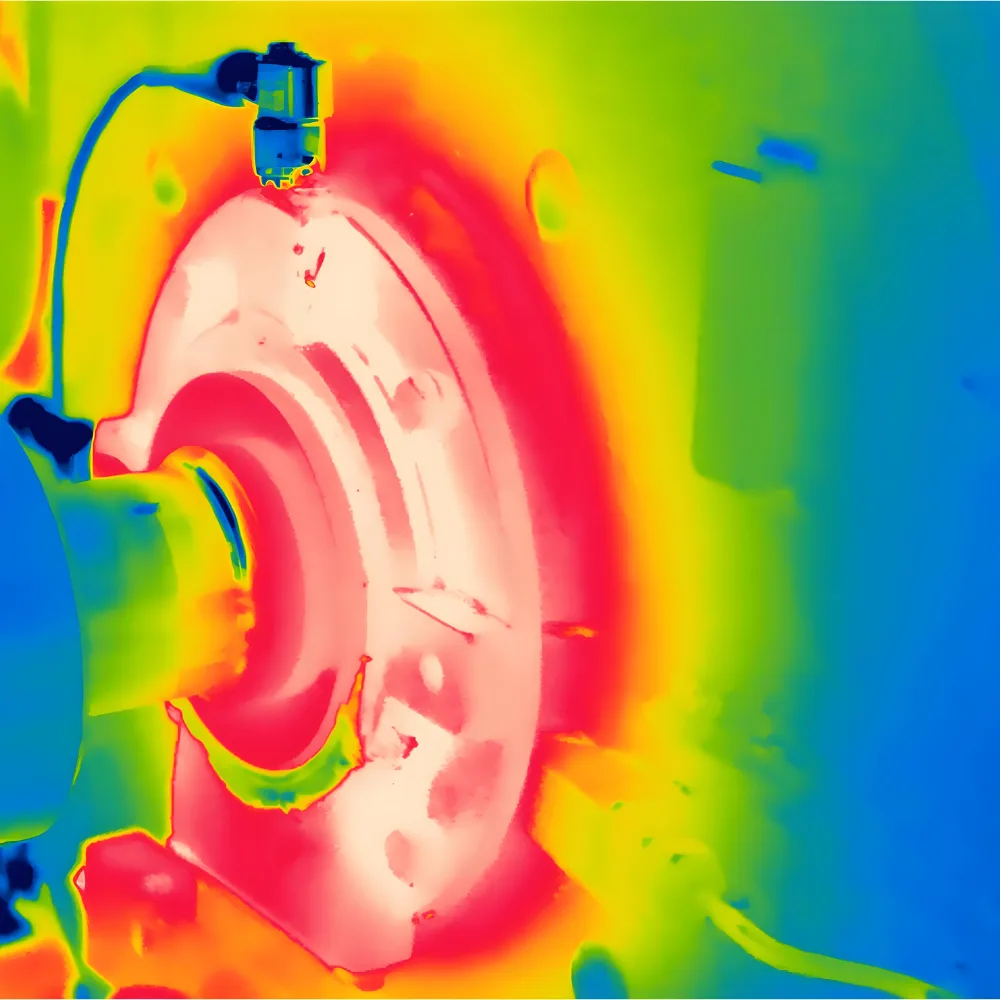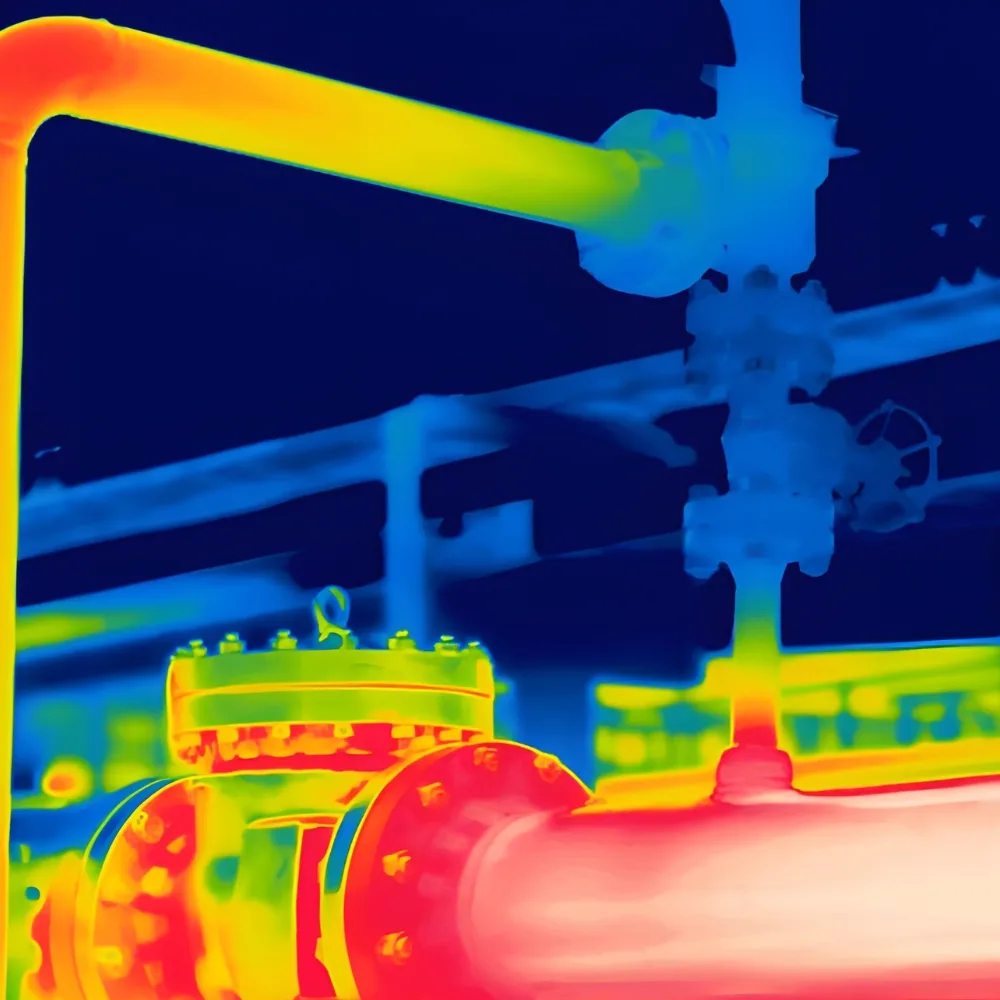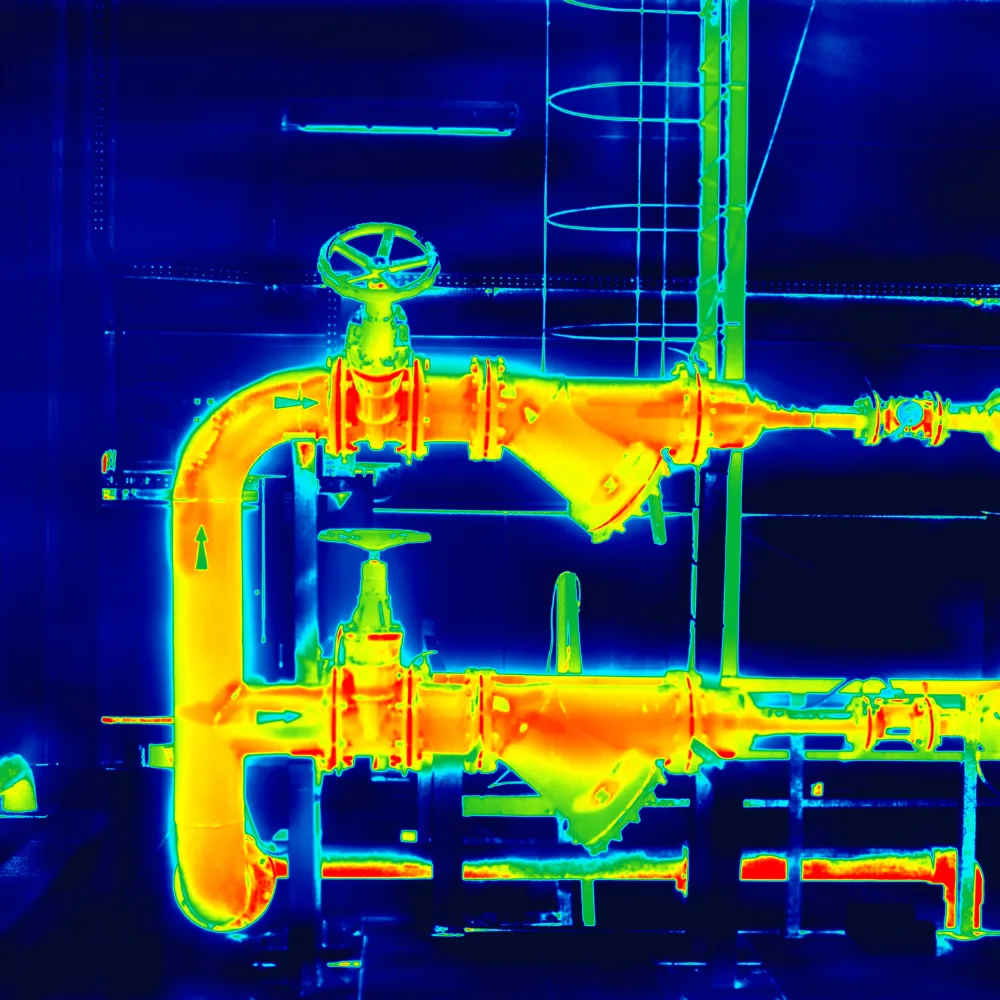
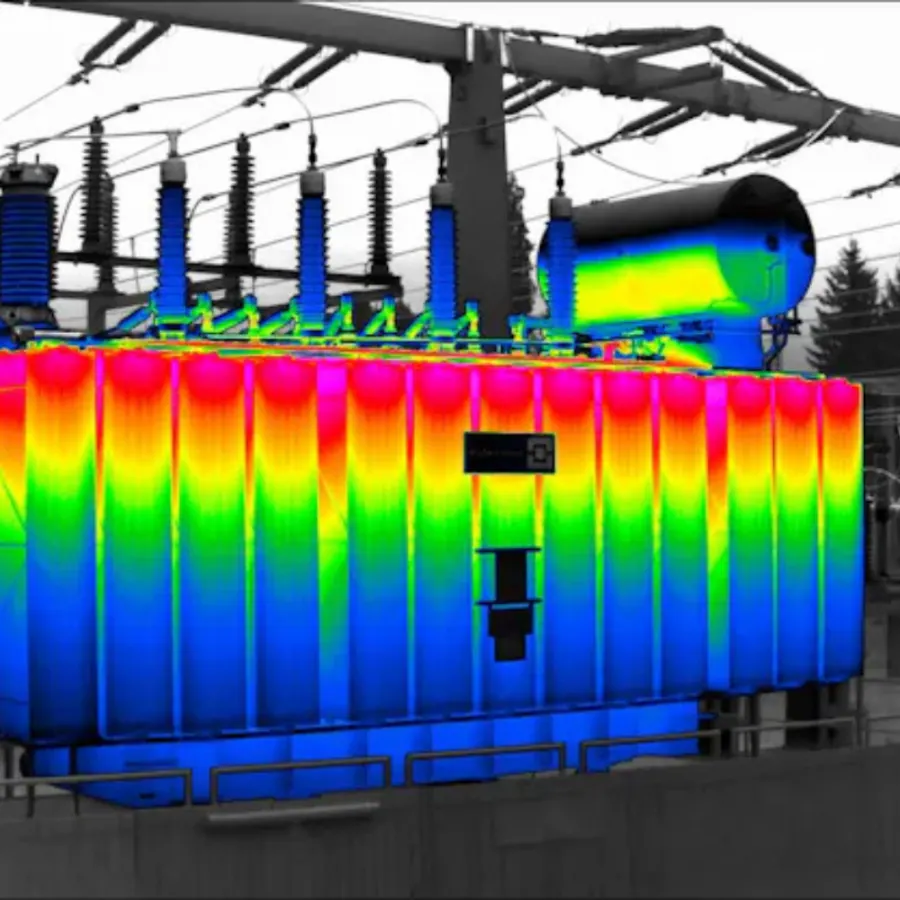
Anyone can buy a thermal camera and take a coloured picture. Almost nobody can say what that picture means — and take responsibility for signing it. Between the two lies everything that makes thermography a diagnostic technique rather than a photographic exercise.
A picture is not a diagnosis
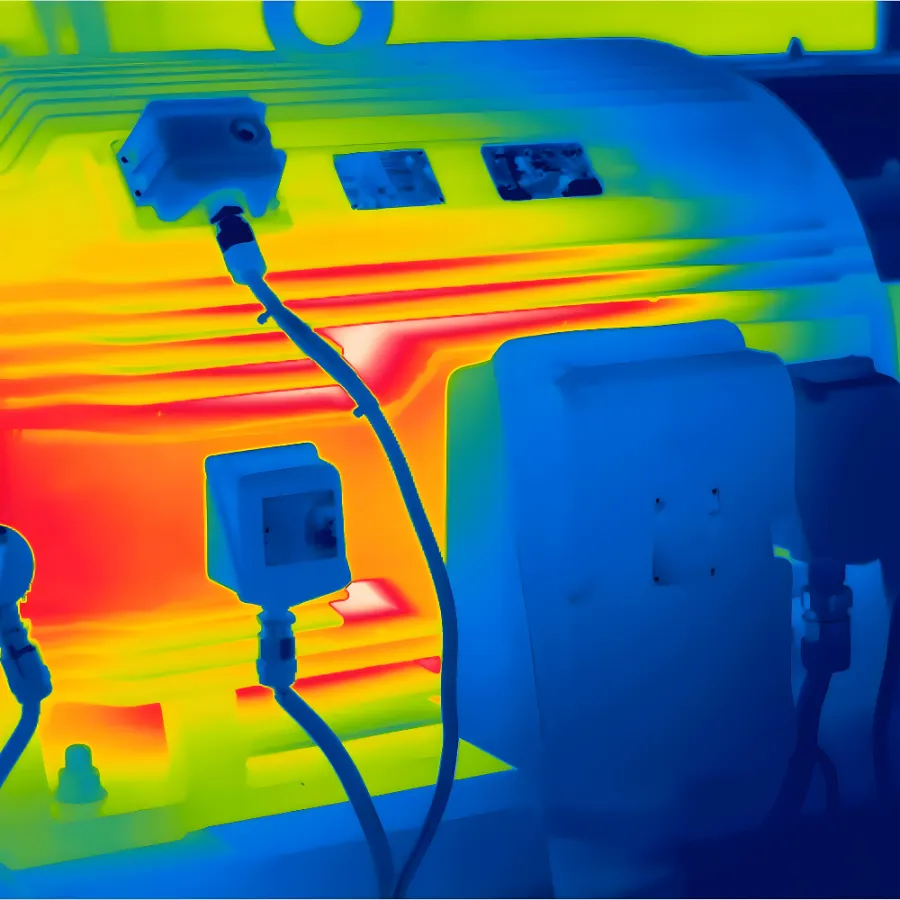
A thermogram is a map of apparent temperatures. The word apparent is the whole point: what the camera measures depends on the emissivity of the surface, the temperature reflected from surrounding bodies, the distance, the atmosphere, the angle of view and the load on the equipment at that moment. Change one of those and the same hotspot reads twenty degrees higher or lower.
Interpreting means accounting for all of it — and knowing when the reading is not reliable and must be repeated.
ISO 9712 levels: who can do what
- Level 1: may carry out the survey following written instructions, under supervision. Does not evaluate and does not sign results.
- Level 2: chooses the technique, sets the parameters, interprets and classifies the findings, writes and signs the report. This is the level a client should expect on an industrial inspection.
- Level 3: defines procedures and criteria, validates methods, takes responsibility for personnel qualification.
Certification is issued by an accredited third-party body and is time-limited: it has to be maintained, with documented experience and periodic renewal. It is not a course attendance certificate.
What a usable report contains
- identification of the site, the equipment and the operating condition (load, hours of service, ambient conditions);
- instrument, optics and calibration certificate;
- measurement parameters: emissivity, reflected temperature, distance;
- thermogram and reference visible image for each finding;
- the severity criterion adopted — ΔT against an identical component, against ambient, or against the manufacturer's limit;
- classification of the anomaly, probable cause, recommended action and priority;
- date, name, level and signature of the technician.
A report that does not state its measurement parameters cannot be verified by anyone. And what cannot be verified has no evidential value.
When the signature matters
It matters when an insurer asks what was done to prevent a fire. When an auditor checks the maintenance plan. When an accident is investigated and someone asks who inspected what, and when. In all three cases a report signed by a certified technician is a document; an unsigned picture is an opinion.
See how a well-run inspection works in Two ways to run an inspection, or find out how the report supports insurance premium reductions.