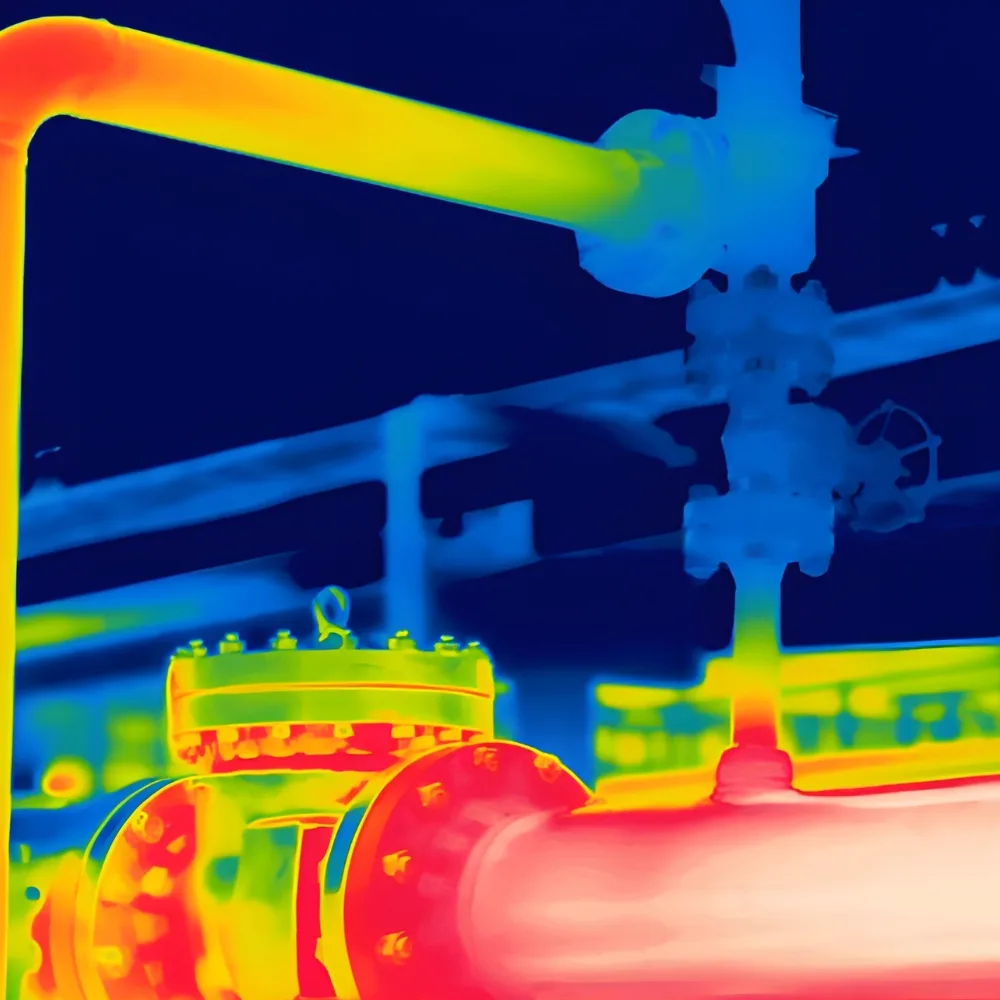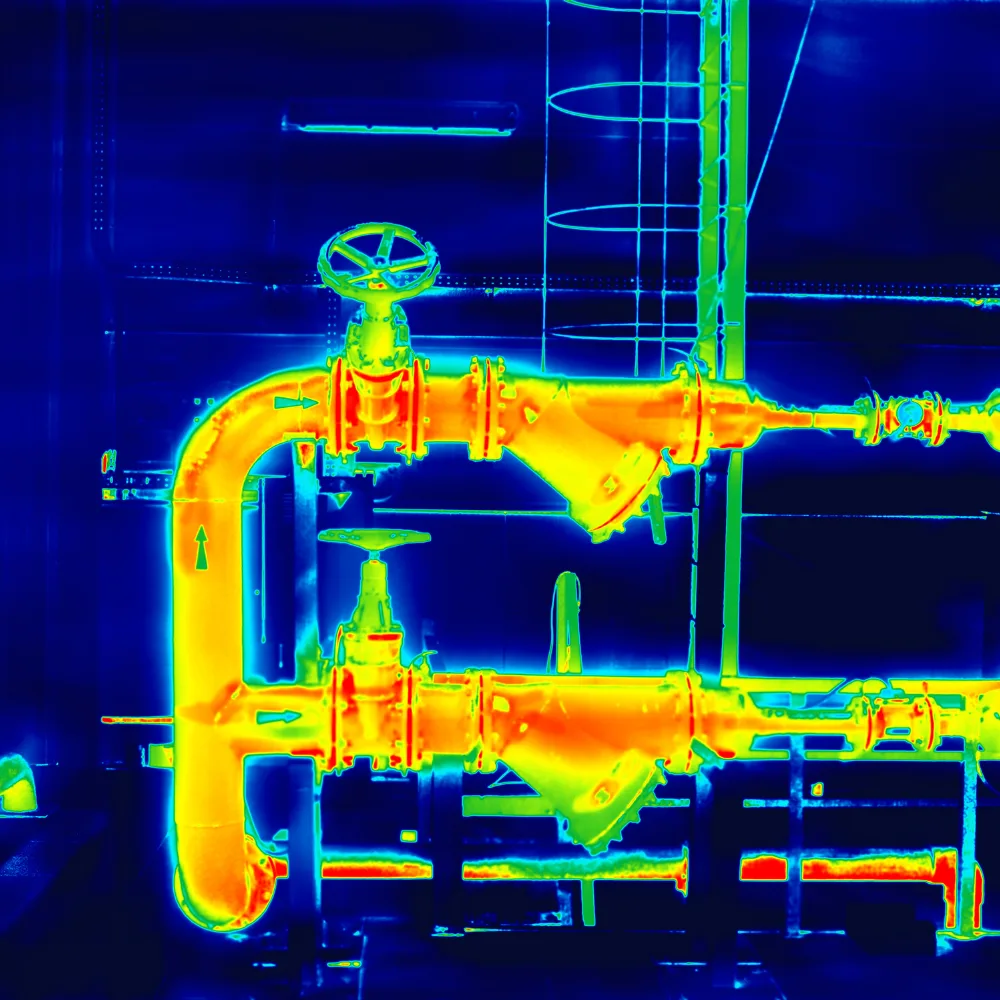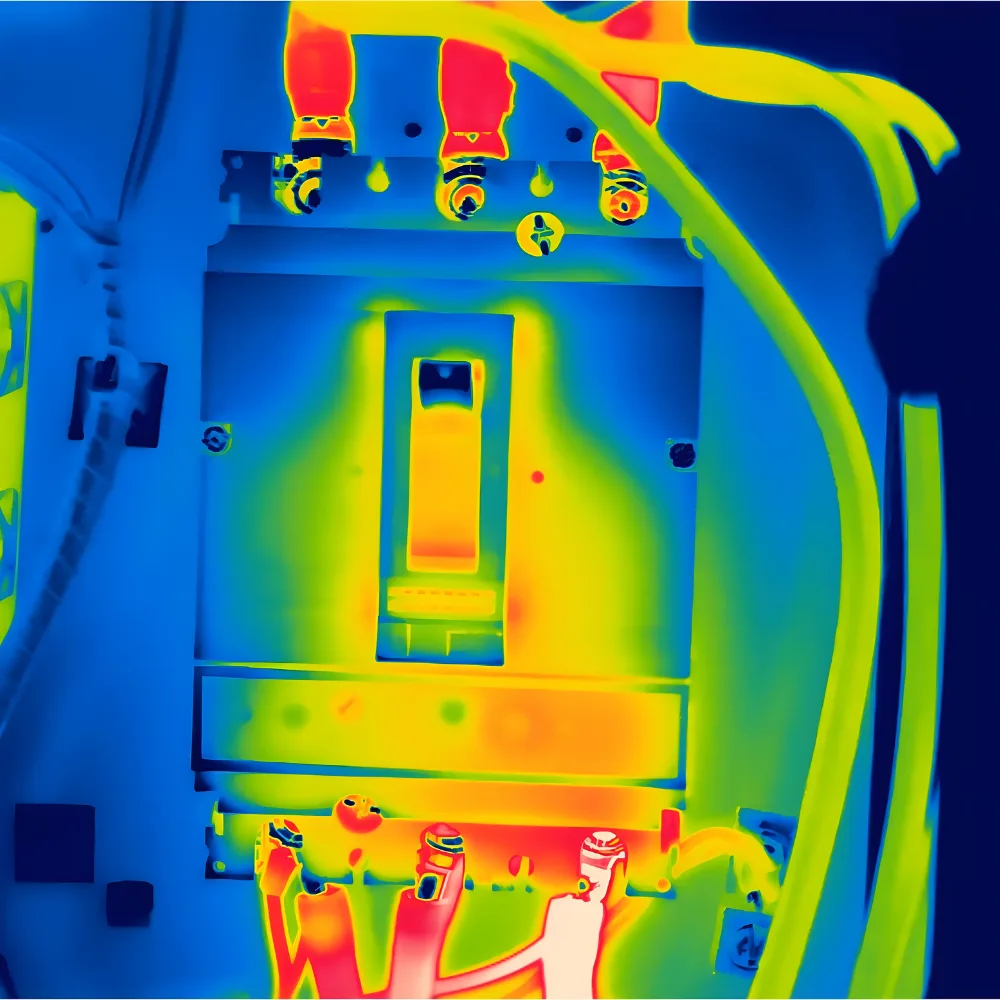
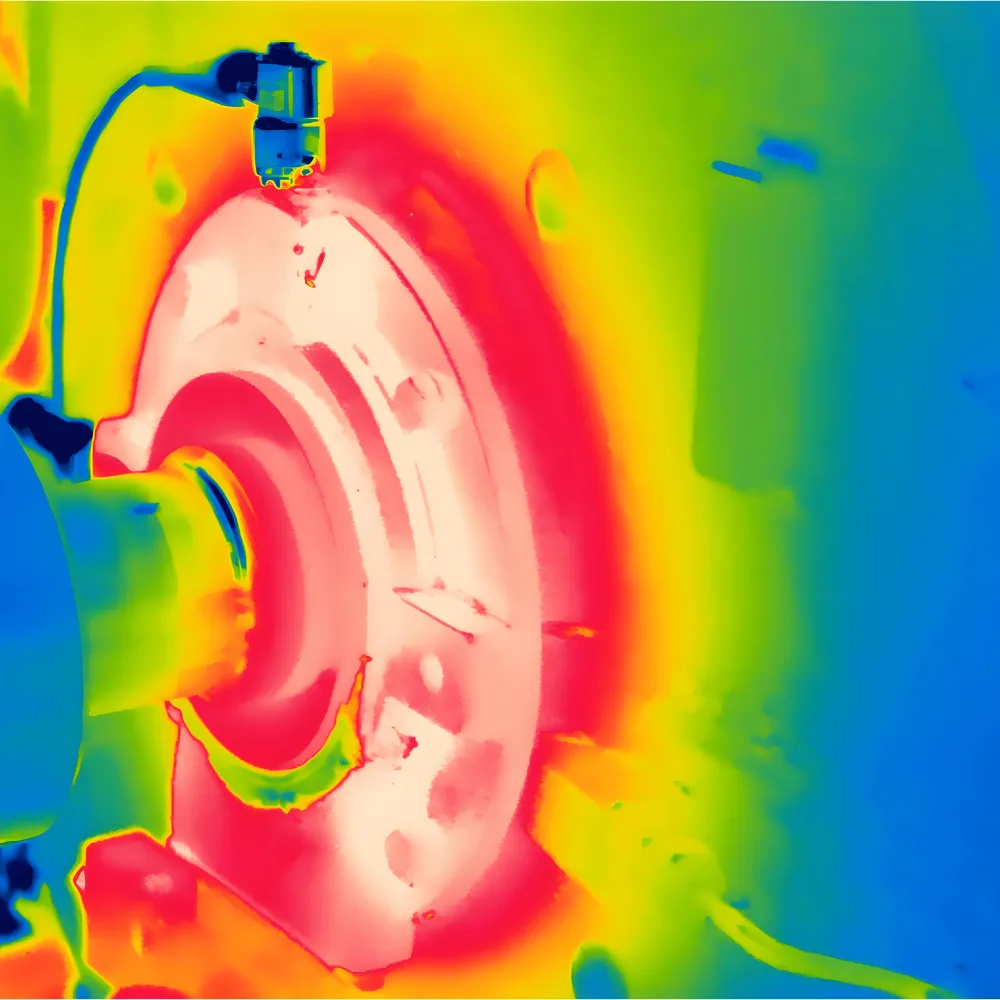
Thermographic predictive maintenance is a key methodology in industrial maintenance that uses infrared technology to monitor the health of plants and machinery, anticipating failures before they occur.
In an industrial context increasingly focused on efficiency, production continuity and cost reduction, thermography stands out as a strategic tool for transforming maintenance from reactive to proactive.
What thermographic predictive maintenance is
Predictive maintenance is an approach based on continuous or periodic monitoring of the operating condition of assets, with the goal of predicting potential failures before they cause downtime or damage. Thermography, in turn, is a non-invasive diagnostic technique that detects temperature variations through the use of infrared thermal imaging cameras.
Combining these two concepts gives rise to thermographic predictive maintenance, which makes it possible to identify anomalies that are often invisible to the naked eye, such as:
- overheating in electrical connections;
- abnormal mechanical friction;
- load imbalances;
- insulation and lagging defects.
Corrective, preventive, predictive: the differences
- Corrective maintenance: intervenes only after the failure, with high costs and downtime.
- Preventive maintenance: follows scheduled intervals, but does not always account for the actual condition of the plant.
- Predictive maintenance: analyzes real data and conditions to intervene only when it is truly necessary.
Industrial applications
Thermographic analysis is widely used on:
- electrical switchboards and transformer substations;
- motors, pumps and gearboxes;
- furnaces and thermal plants;
- automated production lines.
The concrete benefits
Less downtime
Identifying an anomaly before it becomes a failure makes it possible to plan interventions, avoiding sudden production stoppages and improving plant reliability.
Cost optimization and energy savings
Early diagnosis reduces the cost of extraordinary repairs and extends the useful life of assets. Identifying heat losses or inefficiencies also contributes to significant energy savings.
Increased operational safety
Overheating and thermal anomalies can pose a serious risk to operators and plants. Thermography improves safety by reducing the risk of fires, short circuits and critical failures.
The supporting technologies
The effectiveness of thermographic predictive maintenance depends on the integration of several advanced technologies. Modern infrared thermal imaging cameras offer high resolution, high thermal sensitivity and the ability to operate even in harsh environments, with analysis software that makes it possible to archive thermograms and compare the same measurement points over time.
A thermal imaging camera alone is not enough: correctly interpreting thermograms requires certified expertise.
This is why analyses must be carried out by technicians qualified to ISO 18436 / ISO 9712 (Level 2–3). Contact us to build the predictive maintenance program for your plant, or explore our thermographic inspections.