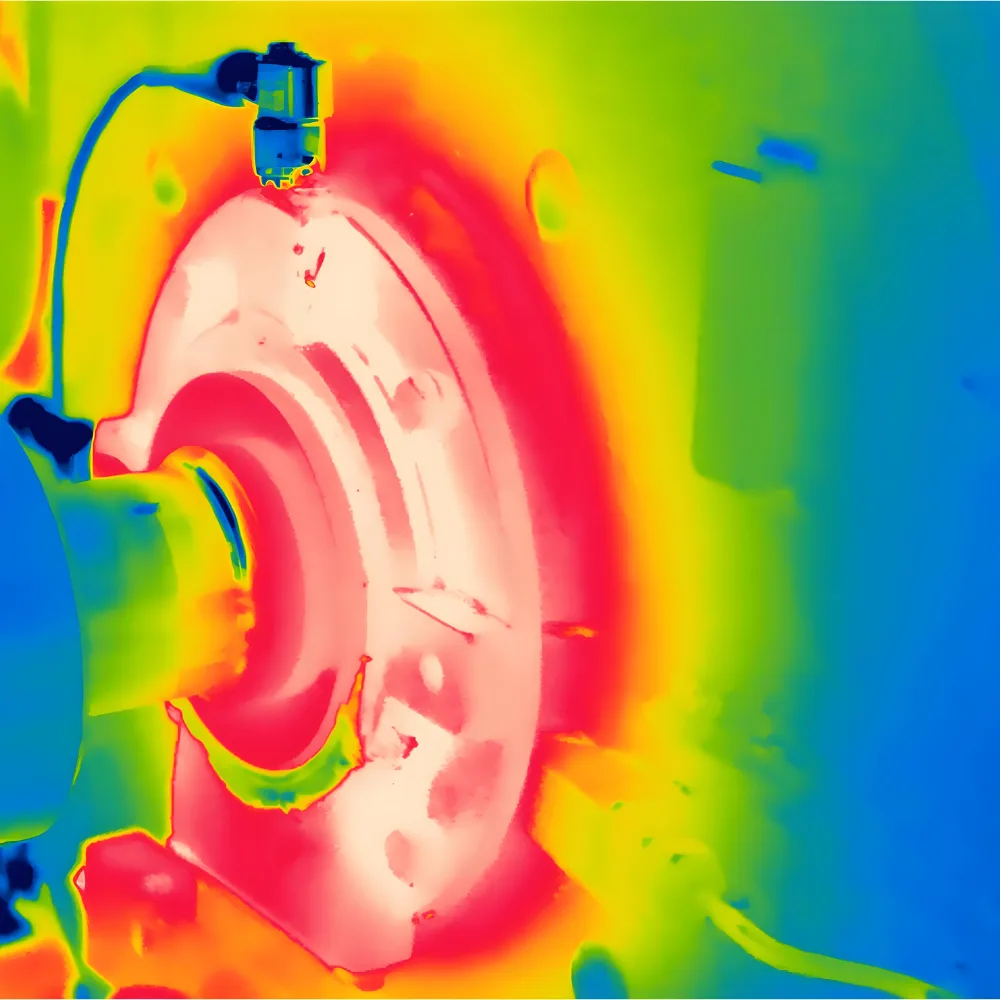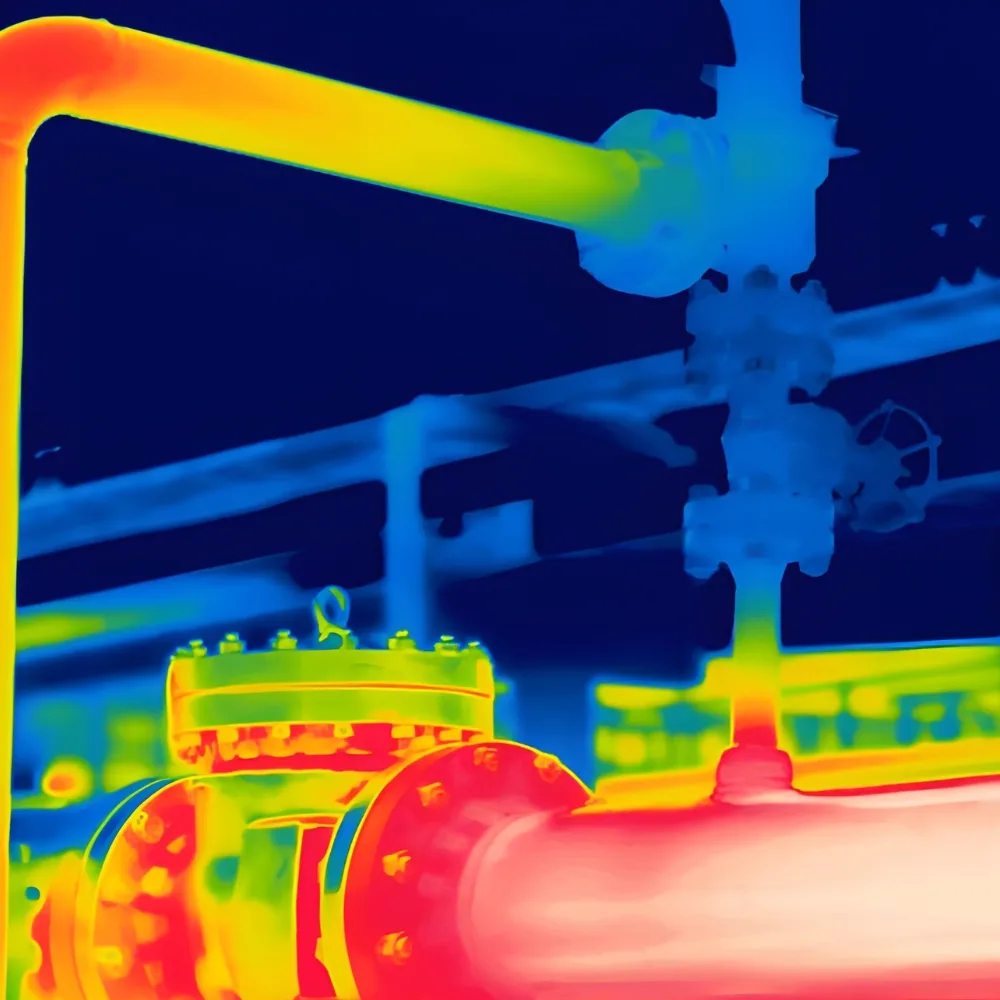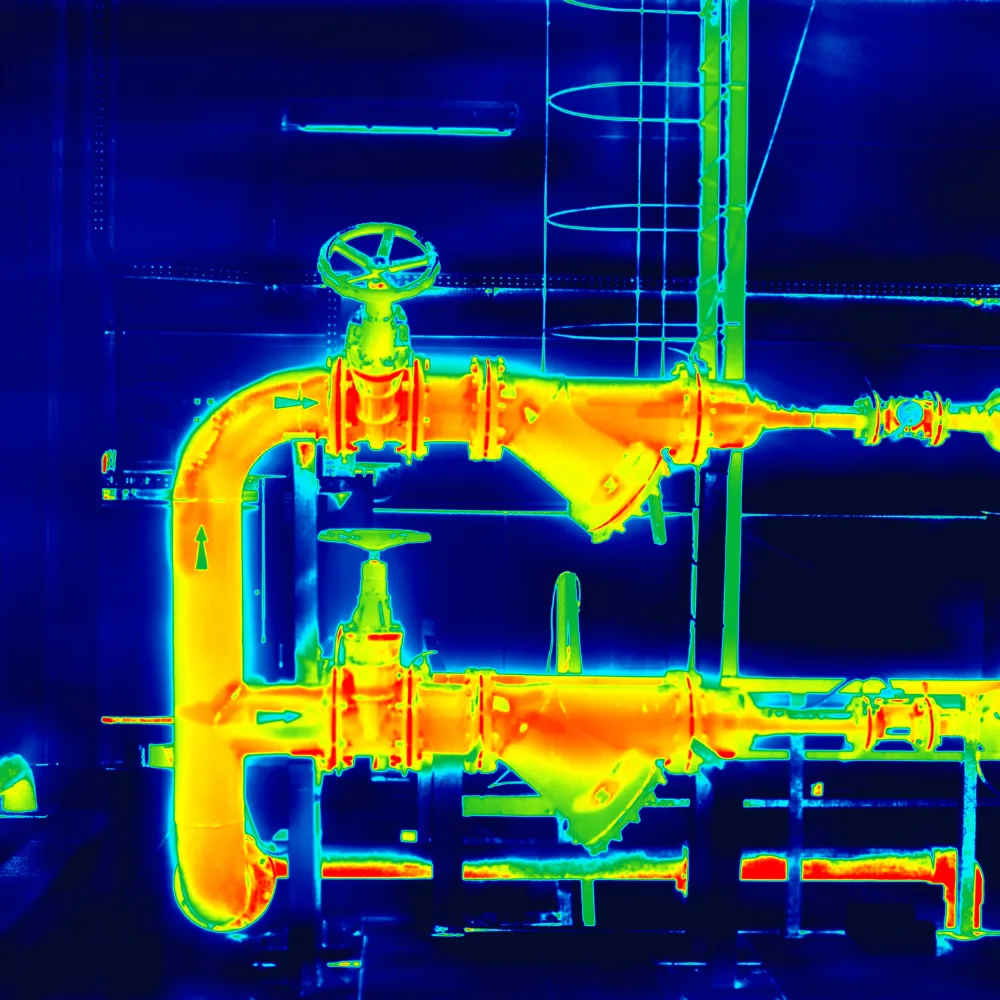
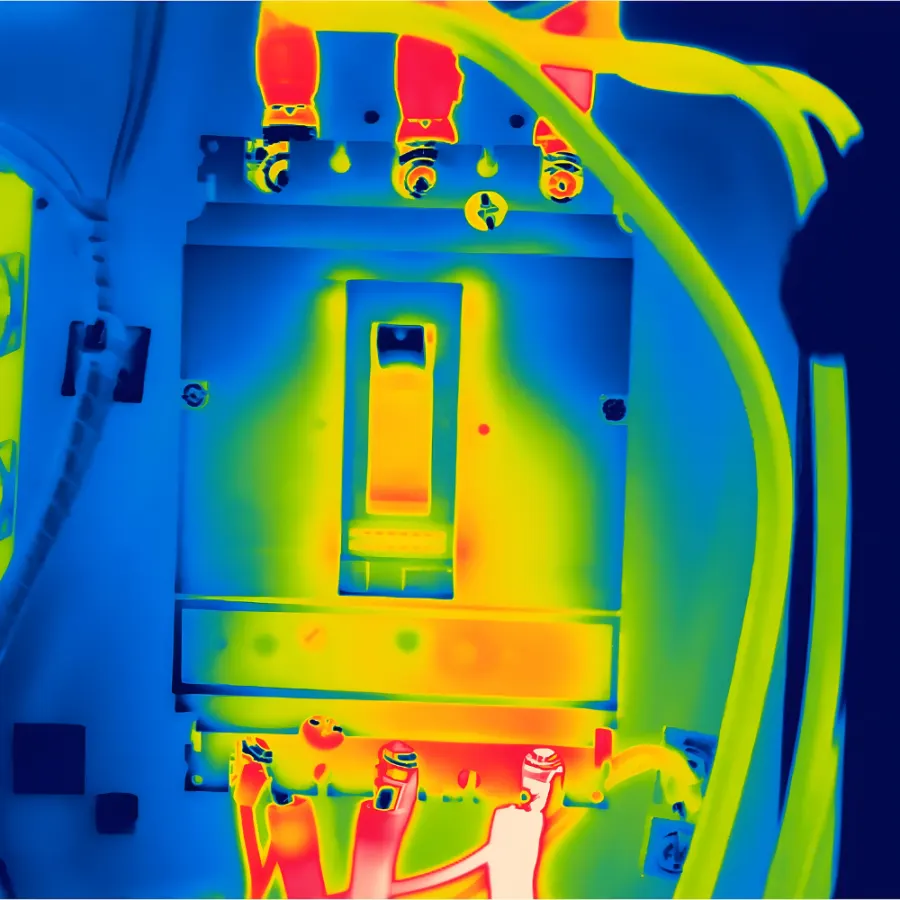
Predictive maintenance has an economic side that is often overlooked: insurers and national accident-insurance schemes reward companies that can document prevention. A certified thermographic inspection is exactly that kind of evidence.
Prevention you can prove
Every insurance mechanism that rewards workplace prevention rests on the same principle: the measure must be voluntary, go beyond the legal minimum, and be documented. A verbal reassurance that "the switchboards have been checked" is worth nothing. A signed thermographic report, with date, instrument data, thermograms and recommended actions, is a verifiable document.
In Italy this is the logic behind the INAIL OT23 application, which grants a reduction of the average tariff rate to companies that carry out prevention measures during the previous year. The percentage depends on company size — from a few percentage points for large organisations up to roughly a quarter of it for the smallest ones — and the eligible measures are listed in the form published each year.
Why a thermographic inspection qualifies
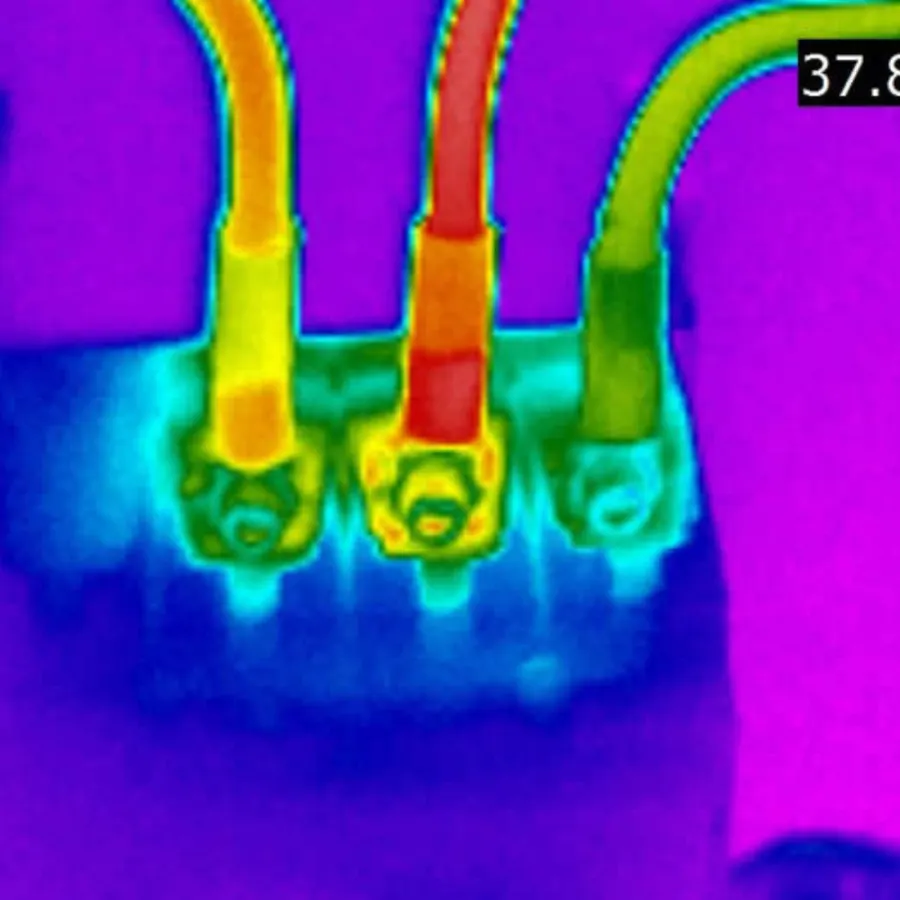
Infrared inspection of electrical installations and rotating machinery fits the profile these schemes look for:
- it is voluntary: no regulation forces you to thermograph your switchboards every year;
- it prevents a specific event — electrical fire, arc flash, catastrophic failure — rather than merely recording it;
- it produces a dated, signed, repeatable document that can be compared year on year;
- it feeds a corrective action plan, which is what turns an inspection into a management system.
What the report must contain
A thermogram on its own is not a technical report. To be usable as evidence it must state at minimum:
- instrument identification and calibration certificate;
- emissivity, reflected temperature, ambient conditions and load at the time of the survey;
- the severity criterion used (ΔT against reference, or against the manufacturer's limits);
- anomaly classification and the recommended action for each finding;
- the signature of a technician certified to ISO 9712 (or equivalent) at the appropriate level.
An inspection without a plan of action is a cost. An inspection with a plan of action is an investment that shows up in the balance sheet.
The honest caveat
Thermography alone does not automatically secure a reduction: each scheme has its own annual form, its own eligible measures and its own deadlines, and the application must be supported by the whole prevention record of the company. What we can guarantee is the technical part — an inspection carried out to standard and a report written to be read by a third party, whether that is an insurer, an auditor or a court.
Want to know whether your plant is a good candidate? Ask for an assessment, or read how we structure an inspection in The legal value of a thermogram.