In modern industry, efficiency and operational continuity are fundamental to ensuring competitiveness and safety. Among the most effective techniques for monitoring the health of plants and equipment, industrial thermography has established itself as an advanced, indispensable solution.
What industrial thermography is
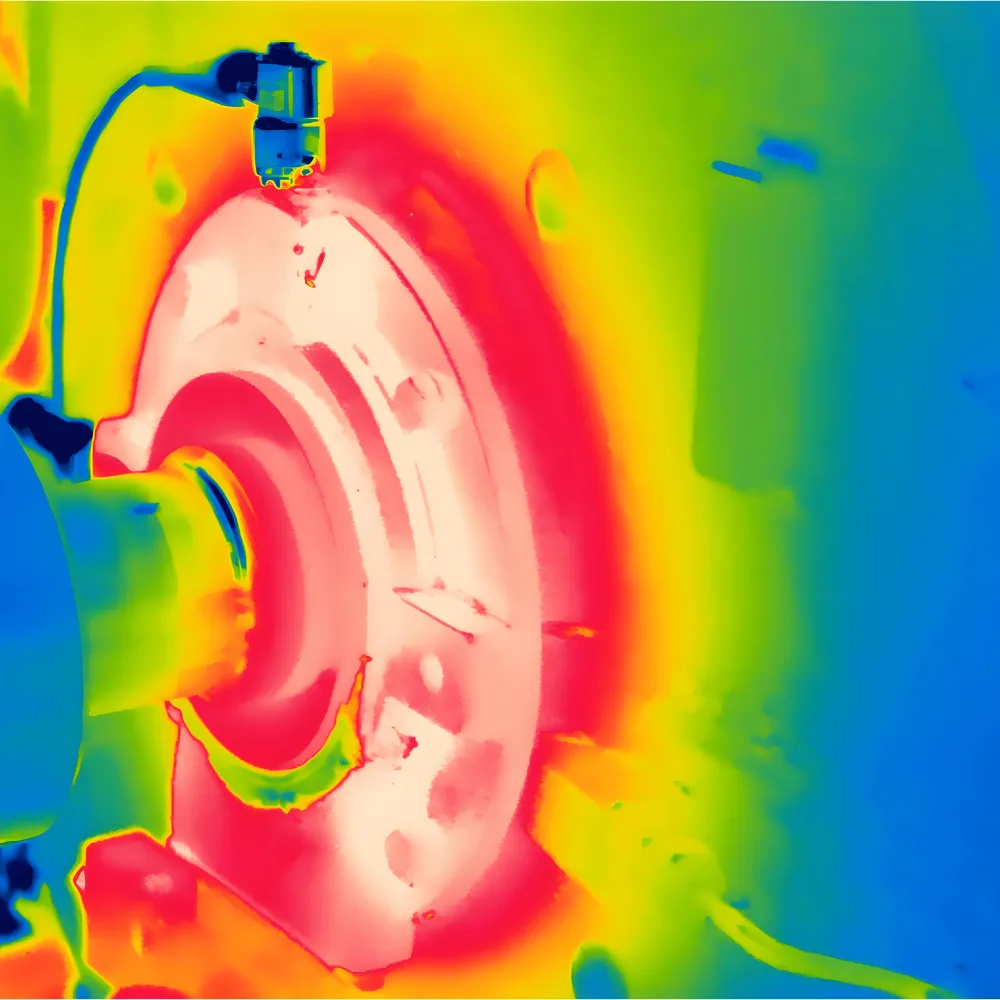
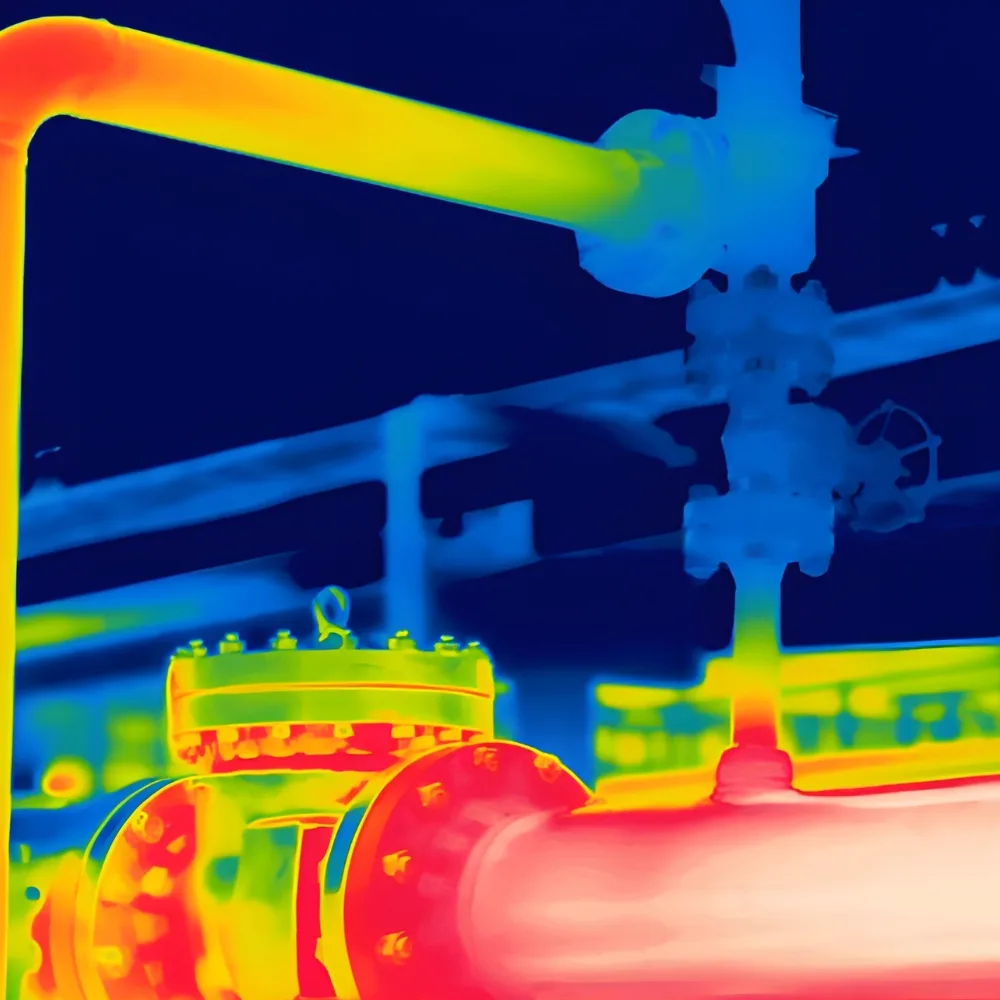
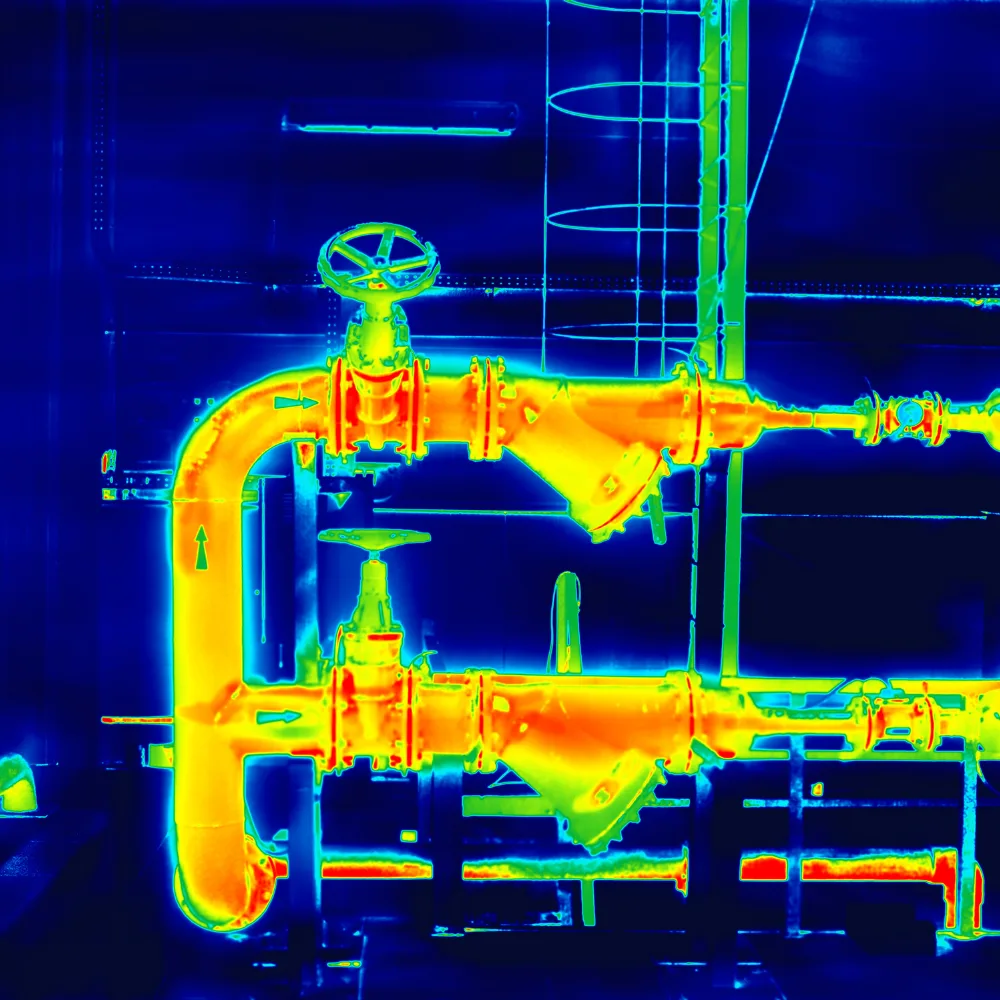
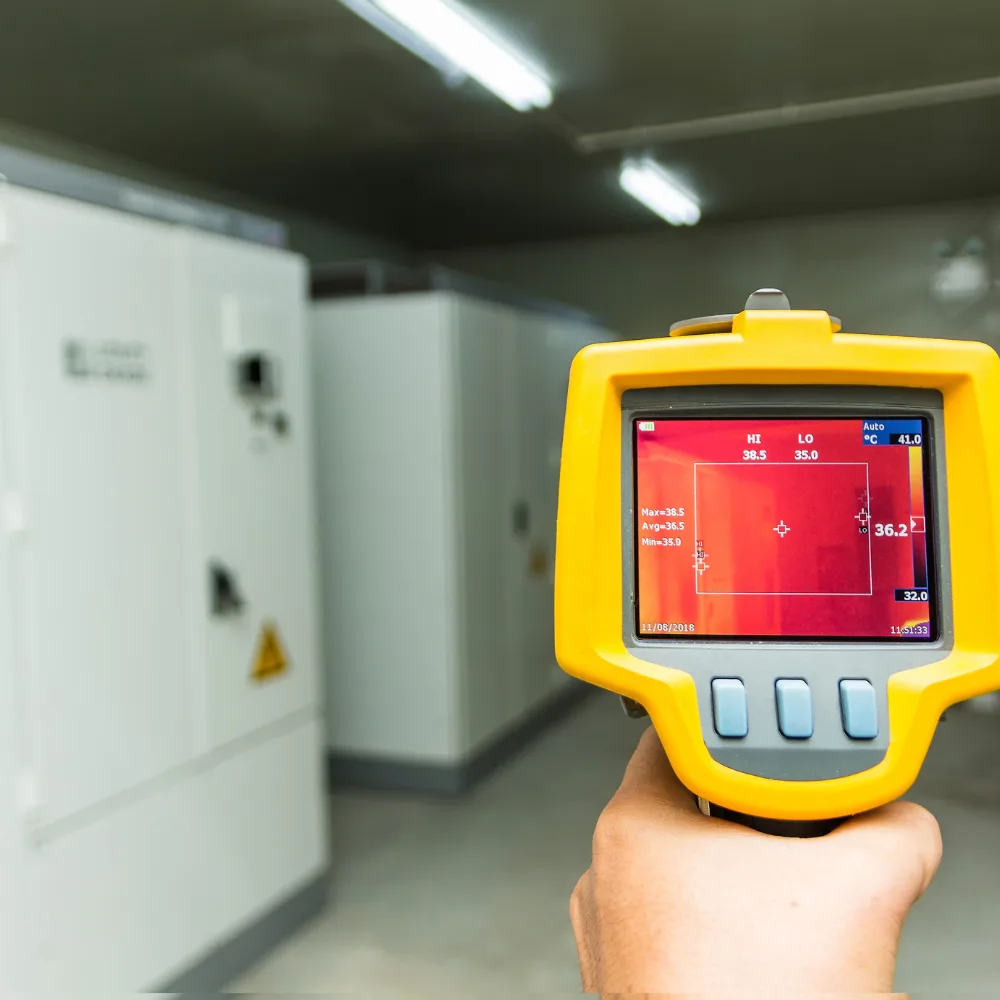
Thermography is a diagnostic technique that uses infrared thermal imaging cameras to detect and visualize the surface temperature of machinery, components and infrastructure. Every object emits thermal radiation proportional to its temperature: the thermal imaging camera captures it and converts it into a thermal image — the thermogram — in which different colors represent different heat levels.
This analysis makes it possible to identify thermal anomalies that may indicate early-stage failures, inefficiencies or hazardous conditions.
Why it matters so much in industry
Thermography is above all a powerful predictive maintenance tool. Unlike traditional inspections, it makes it possible to intervene before a failure occurs, avoiding downtime and costly repairs.
1. Early failure detection
Faulty electrical connections, worn bearings, abnormal friction or clogged piping often generate heat. Detecting them early makes it possible to schedule targeted interventions.
2. No production interruption
Thermographic inspections are carried out with the plant in operation, without stopping lines, machinery or processes.
3. Greater safety
Identifying critical conditions such as overheating or hot spots helps prevent fires, accidents and failures that endanger operators and company assets.
4. Cost reduction
Less downtime, fewer emergency repairs and reduced energy waste: thermography is an investment that pays for itself quickly.
Where it is used
- electrical switchboards and electrical systems;
- rotating machinery;
- furnaces, boilers and thermal lines;
- piping and steam networks;
- process plants;
- thermal insulation and structures.
The added value of qualification
A thermal imaging camera alone is not enough: correctly interpreting thermograms requires advanced expertise. This is why analyses must be carried out by certified technicians (ISO 18436 / ISO 9712 – Level 2–3).
Industrial thermography is not just an analysis tool, but a true strategic asset for anyone looking to improve the reliability, safety and performance of their plants. Contact us for an assessment.